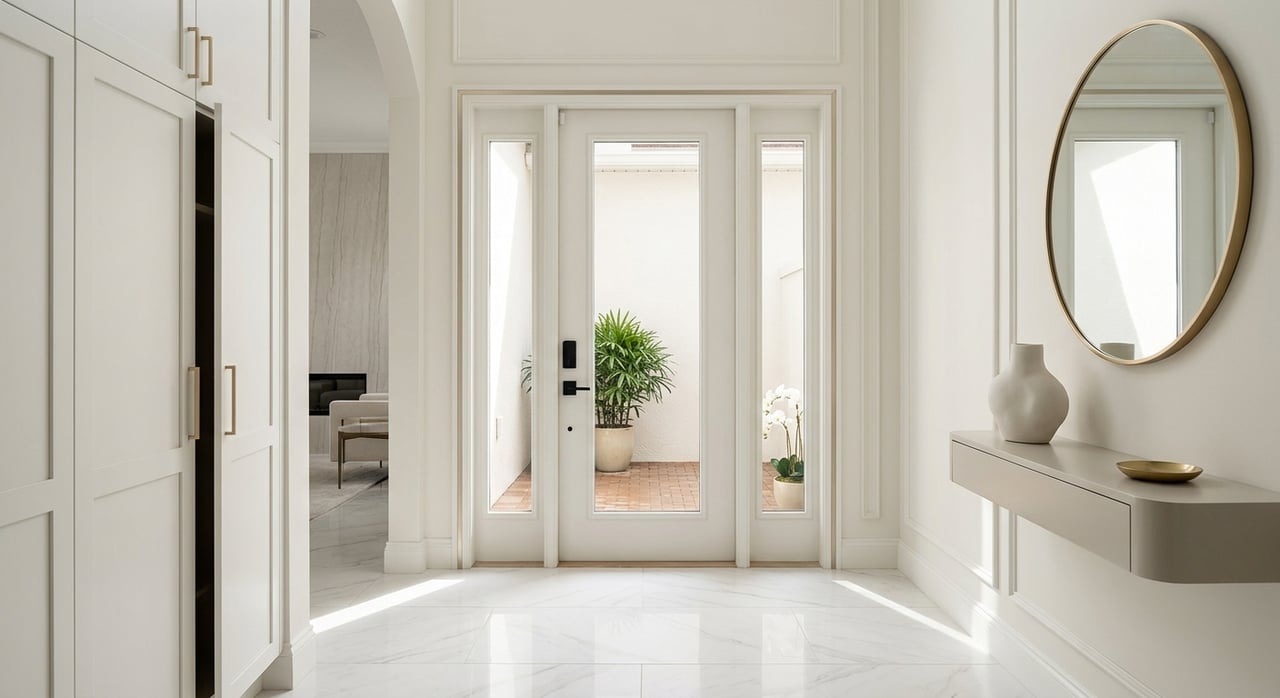
If you love Olde Naples but do not want your second home to feel like a full-time responsibility, design matters more than ever. A true lock-and-leave home is not just beautiful. It needs to handle heat, humidity, storm season, and stretches of vacancy with less stress and fewer surprises. With the right plan, you can create a home that feels elegant when you arrive and dependable when you are away. Let’s dive in.
Why lock-and-leave matters in Olde Naples
Olde Naples has a character all its own. The City of Naples describes it as the neighborhood with many of the city’s original homes, with roots near the turn of the century and boundaries stretching from Third Street South to the Naples Beach Hotel and Golf Club area, and from US 41 to the beach. That history adds charm, but it can also add planning considerations if you are renovating or updating a property.
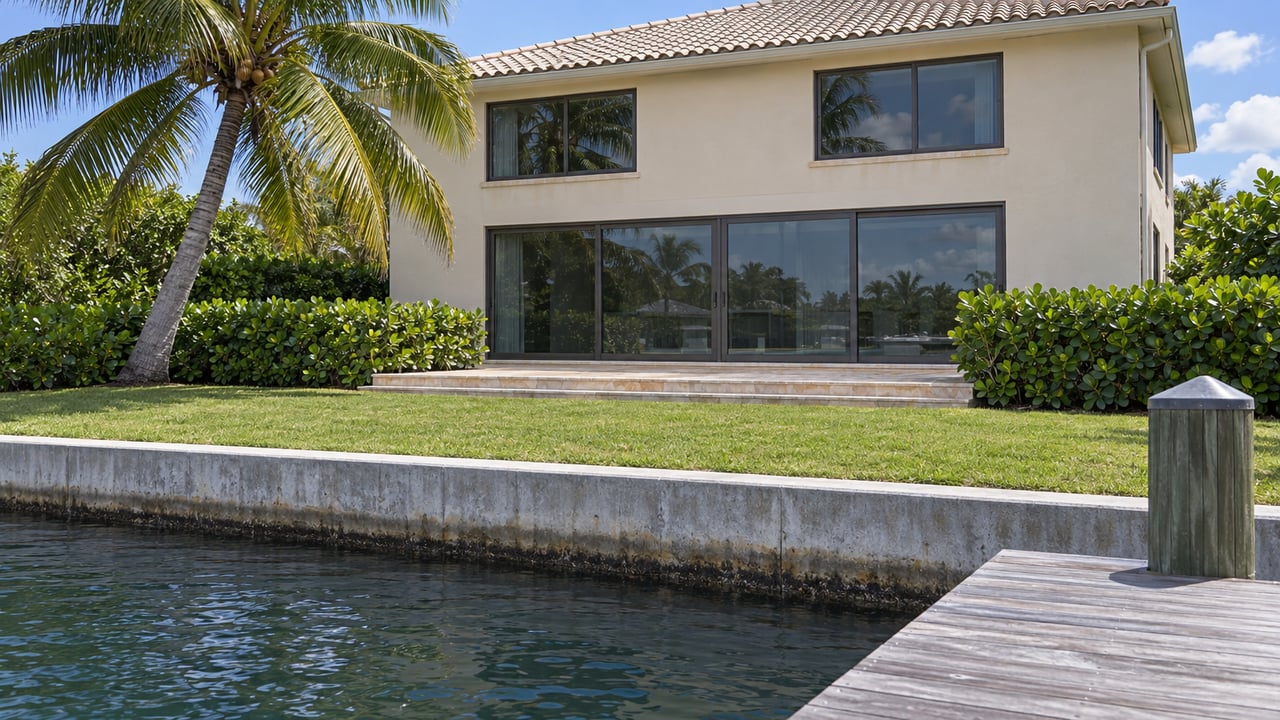
The location also brings real coastal conditions into the design brief. The City of Naples notes that the city is especially susceptible to flooding from major rain events and storm surge, sits close to sea level, and has underground water just below the ground surface. NOAA climate normals for Naples show annual precipitation of 49.55 inches, with about 65.9% of that rainfall falling from June through September.
That timing matters for seasonal owners. NOAA says Atlantic hurricane season runs from June 1 through November 30, which often overlaps with the months many part-time residents are away. In practical terms, your home should be designed to stay resilient, manageable, and easy to monitor even when it is unoccupied.
Start with a simple, durable plan
A lock-and-leave home works best when the layout is easy to manage. Simpler floor plans usually mean fewer areas to inspect, fewer hidden trouble spots, and easier access to key systems. When you are away for weeks or months, that kind of clarity can make a meaningful difference.
In flood-prone settings, material choices matter too. FEMA guidance emphasizes flood-resistant materials in lower areas, utility-system protection, and flood-protection devices where appropriate. In Naples, remodeling or additions in Special Flood Hazard Areas may also trigger floodplain review and code compliance, so those conversations should happen early.
As you think through a design or renovation, focus on features that support quick closure and easy reopening. That often includes:
- Straightforward room layouts with fewer overlooked corners
- Easy access to HVAC components and drain lines
- Lower-level materials selected for durability and easier recovery
- Protected utility systems where required or appropriate
- Storage that allows outdoor items to be secured before storms
Choose an exterior built for storm prep
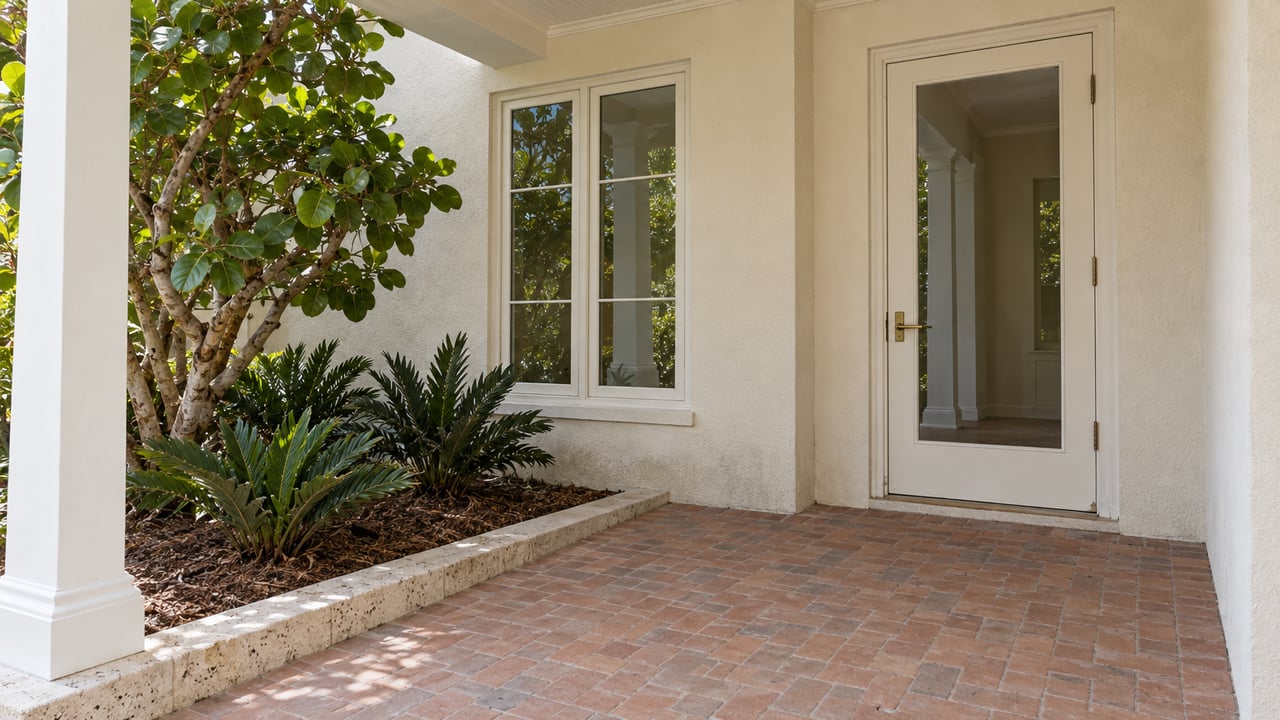
In Olde Naples, the outside of the home needs to do a lot of work for you. A low-maintenance exterior can save time before departure and reduce the punch list when you return. The goal is to make storm preparation faster and routine upkeep more predictable.
FEMA recommends storm shutters or impact-resistant windows, secure exterior doors, sealing gaps around openings, reinforcing garage doors, trimming weak trees, and securing outdoor objects. Those are practical steps for any coastal property, but they are especially useful for homes that may sit empty during active weather months.
Salt exposure should shape your material choices as well. FEMA notes that salt-laden environments can accelerate corrosion, which is why corrosion-resistant connectors and fasteners are a smart coastal baseline. Stainless steel and properly galvanized hardware can help reduce wear and replacement cycles over time.
Prioritize humidity control indoors
One of the biggest threats to a vacant Florida home is not always dramatic. It is moisture. A home can look spotless when you leave and feel stale, damp, or musty when you come back if humidity is not managed well.
The EPA says mold control depends on moisture control and recommends keeping indoor humidity below 60%, ideally between 30% and 50%. The EPA also advises keeping AC drip pans clean and drain lines unobstructed. In a home that may sit closed up for long periods, this makes HVAC performance and drainage visibility central to good design.
When planning for lock-and-leave living, keep these indoor priorities in mind:
- Reliable air conditioning sized and maintained for steady operation
- Dehumidification support for long vacant periods
- Easy-to-access AC drip pans and drain lines
- Simple ways to monitor interior conditions remotely
- Interior finishes that hold up well in a humid climate
Use smart-home systems with intention
Smart-home tools can make seasonal ownership much easier when they are chosen carefully. Remote access gives you more control over the home while you are away, and it can help you respond faster if something needs attention.
The U.S. Department of Energy says smart meters can help homeowners monitor energy use and remotely adjust thermostats or turn appliances off. Smart thermostats can also adjust settings automatically for home, away, or sleep modes. In Naples, that can support both energy management and better humidity control while the house is vacant.
Security matters too, but convenience should not come at the expense of privacy. The FTC recommends securing your home router first, then protecting each connected device with unique passwords, firmware updates, encryption, and two-factor authentication when available. For cameras and video doorbells, the FTC also advises reviewing device security features and using a separate network when possible.
A smart setup for a lock-and-leave home may include:
- Smart thermostats for remote temperature and humidity management
- Cameras or video doorbells with strong security settings
- Remote alerts for unusual activity or system changes
- Separate network planning for connected devices
- A clear reset plan if the home is later sold
That last point is easy to miss. The FTC recommends keeping a list of smart devices, leaving manuals behind, and removing administrative access and personal information before devices are reset for a future owner. If resale is ever part of your plan, that small step can protect both privacy and presentation.
Design landscaping for fewer surprises
Beautiful landscaping can still be practical. In a seasonal home, the best exterior design is often the one that looks polished without requiring constant intervention.
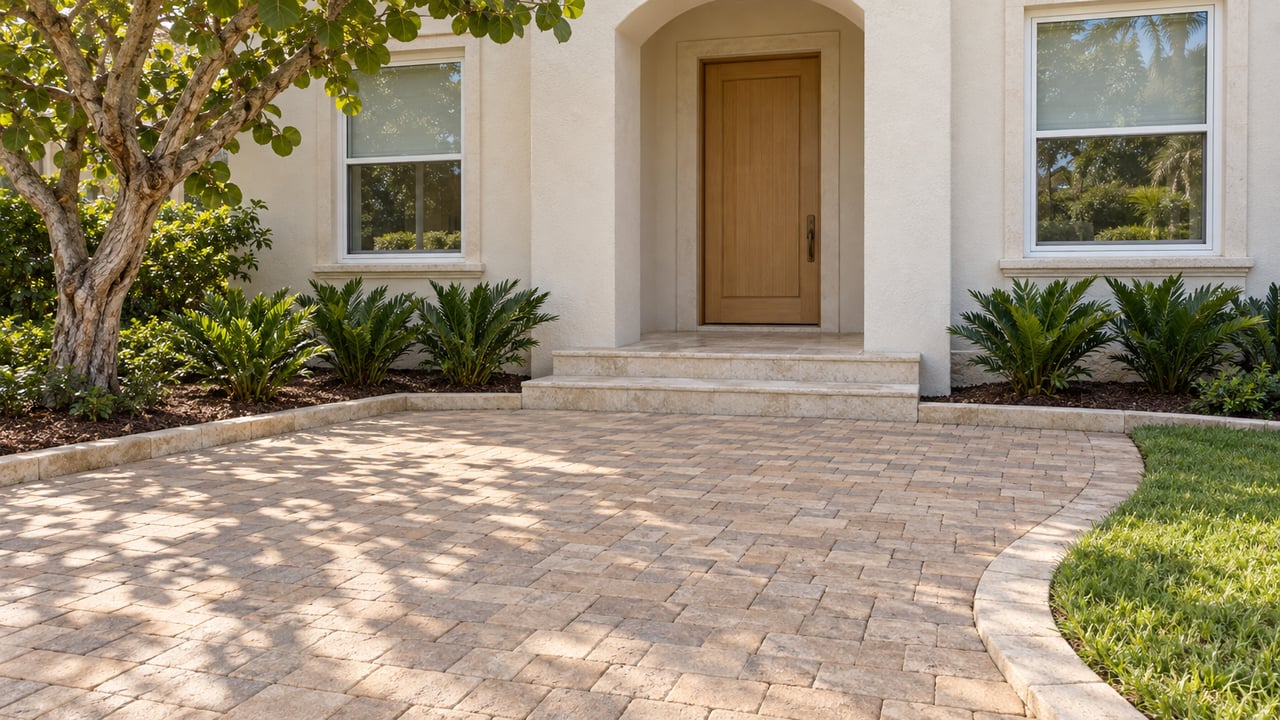
UF/IFAS identifies several coastal plants that tolerate salt spray and salt stress, including cocoplum, seaside goldenrod, sea lavender, and white mangrove. A salt-tolerant and drought-tolerant planting palette can help reduce replacement cycles, lower irrigation demand, and cut down on post-absence cleanup.
This approach also fits the broader goal of lock-and-leave living. When the landscape is selected for local conditions, you are less likely to return to damaged plantings, excessive maintenance needs, or unnecessary water use.
Plan for routine oversight while away
Even the best-designed home still needs regular attention. Lock-and-leave living is not about ignoring the property. It is about creating a home that performs well with a simple, consistent care plan.
The City of Naples encourages residents to help clear drains near their homes before, during, and after heavy rainfall. That highlights the value of having someone local keep an eye on drains, gutters, landscaping, and exterior water flow while you are away.
A strong away-from-home plan often includes:
- Regular checks of drains and gutters
- Monitoring of exterior water flow after heavy rain
- Basic landscaping oversight
- Periodic inspection of doors, windows, and outdoor areas
- HVAC and drainage checks during longer absences
Know the review process before renovating
Olde Naples buyers are often drawn to homes for their charm, location, and architectural character. If you plan to remodel, expand, or update a home for easier seasonal living, due diligence should happen before design decisions are finalized.
The City of Naples says almost all permitted development requires floodplain review. If a structure in a Special Flood Hazard Area is below the required flood elevation, local floodplain rules and state building codes can affect remodeling or additions. The city also notes that permits are required for many alterations and system replacements.
Historic review may also be part of the picture. The City of Naples maintains a designated historic district boundary and provides historic building permit and exemption forms. In Olde Naples, that means exterior elements such as windows, elevations, porches, and materials may need to be reviewed alongside flood and permit requirements.
Before starting work, verify:
- Whether the property is in a Special Flood Hazard Area
- Whether your project requires floodplain review
- Which permits apply to alterations or system replacements
- Whether the home falls within a historic district or review process
- How design changes may affect timing and scope
Include flood-zone research early
Flood-zone status should be part of the conversation from the start, whether you are buying, building, or renovating. It affects design decisions, project timing, and insurance planning.
The City of Naples advises confirming flood-zone status through an official determination before purchase or construction. FEMA’s Flood Map Service Center is the official source for National Flood Insurance Program flood-hazard information, and flood insurance is a separate policy from standard homeowners coverage.
For a lock-and-leave owner, early flood research helps you make smarter design choices before you commit to finishes, systems, or renovation plans. It can also help you avoid delays when you are trying to align a seasonal timeline with local review requirements.
The best lock-and-leave homes feel effortless
The most successful Olde Naples lock-and-leave homes do not feel overly technical or defensive. They feel calm, polished, and easy to live in. Behind that ease is a thoughtful mix of durable materials, moisture control, storm readiness, remote monitoring, and careful planning around local review requirements.
If you are searching for a second home or preparing to improve one, it helps to look beyond finishes and focus on how the property will perform when no one is there. In a place as special as Olde Naples, that kind of foresight protects both your comfort and your investment.
If you want a discreet, detail-driven perspective on buying or positioning an Olde Naples home for seasonal living, schedule a private consultation with David Rashty.
FAQs
What makes an Olde Naples home good for lock-and-leave living?
- A strong lock-and-leave home in Olde Naples usually has a low-maintenance exterior, storm-ready openings, good humidity control, remote monitoring, and a layout that can handle weeks or months of vacancy more easily.
Do Olde Naples homes need impact glass or storm shutters?
- FEMA lists storm shutters and impact-resistant windows as standard ways to protect openings during hurricanes, which makes them important features to consider for seasonal homes in coastal Naples.
How should you manage humidity in an Olde Naples home while away?
- The EPA recommends controlling moisture, keeping indoor humidity below 60% and ideally between 30% and 50%, and making sure AC drip pans stay clean and drain lines remain unobstructed.
What should you check before remodeling an Olde Naples property?
- You should verify floodplain review requirements, permitting needs, and any historic-district or historic-building rules that may apply before finalizing renovation plans.
Why is flood-zone status important for an Olde Naples home?
- Flood-zone status can affect design decisions, insurance planning, and the review process for remodeling or construction, so the City of Naples recommends confirming it through an official determination early on.