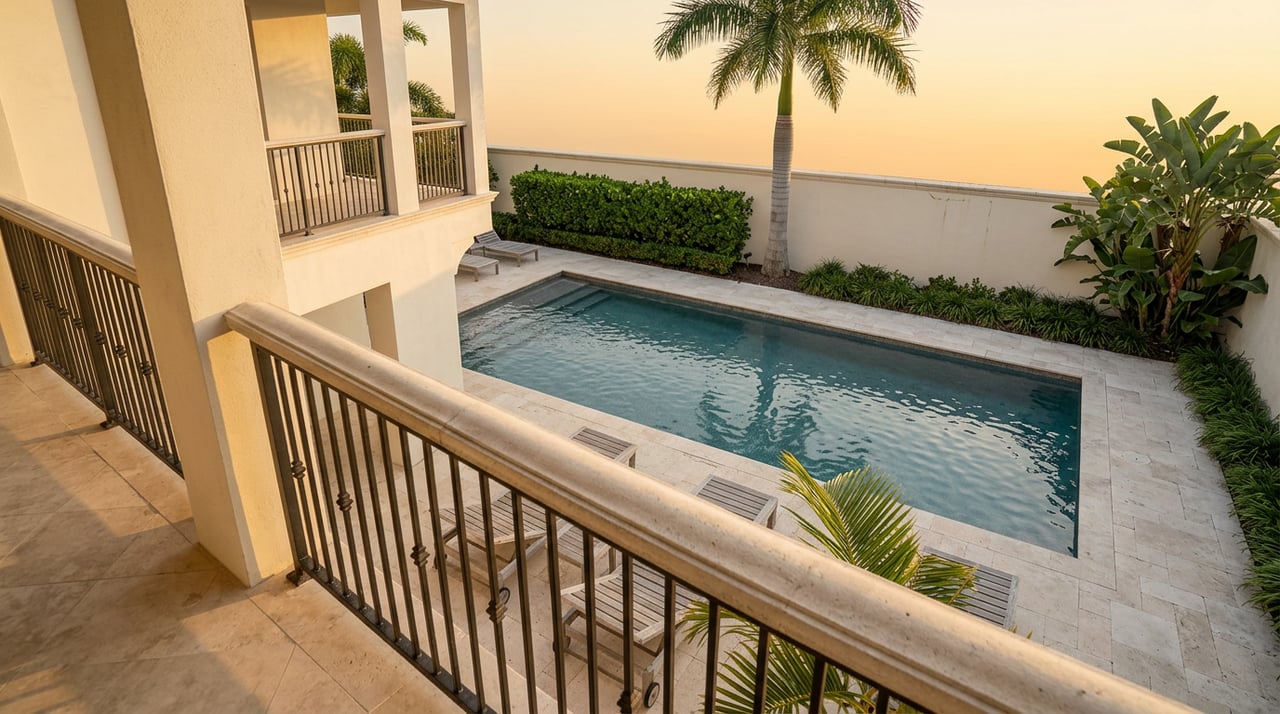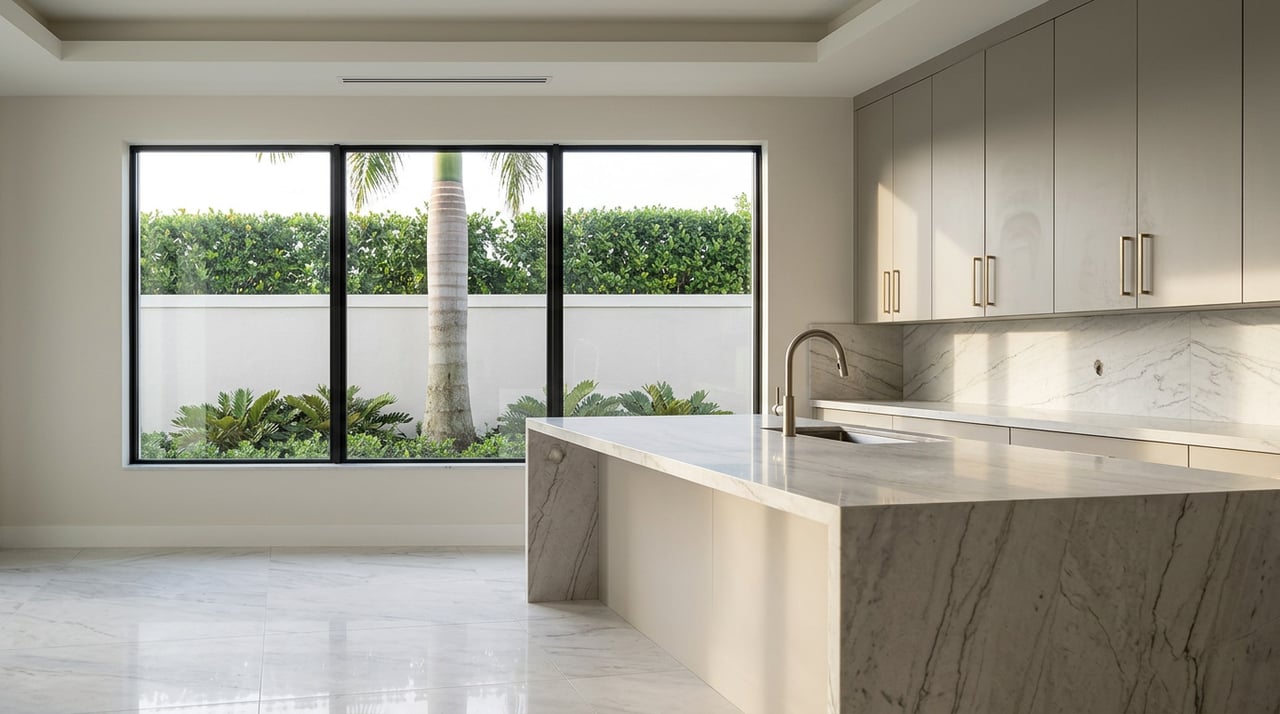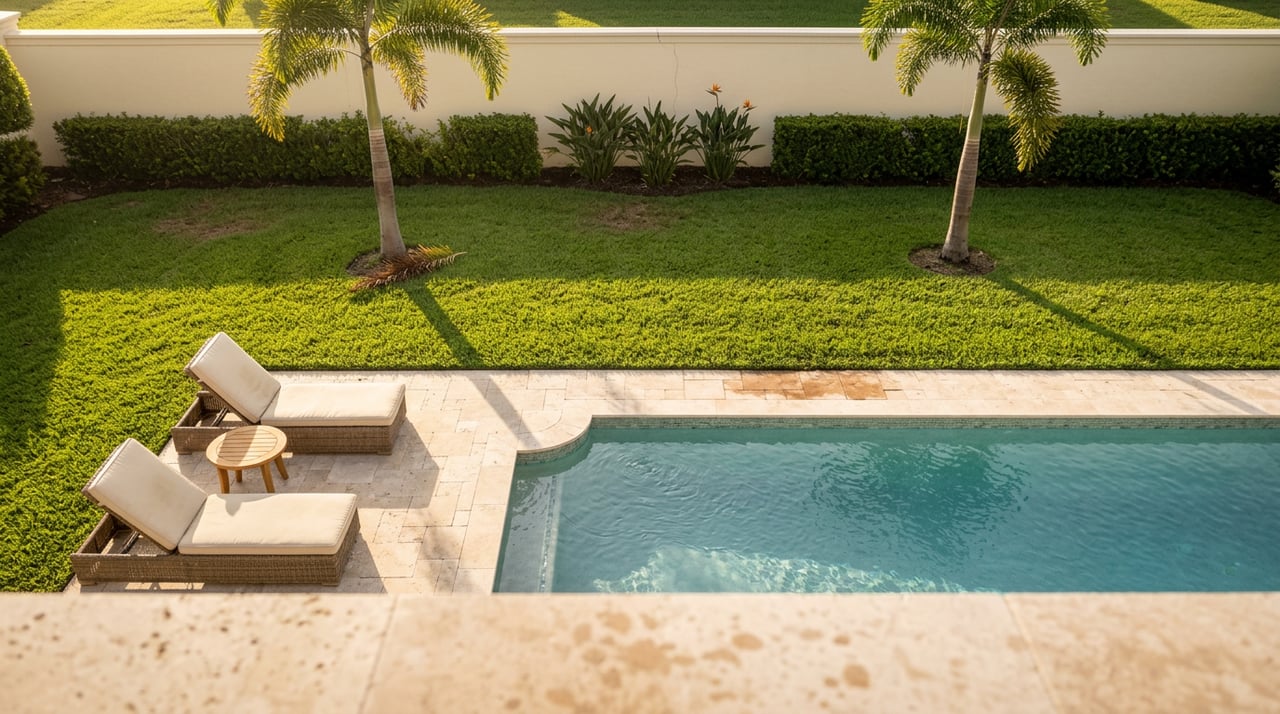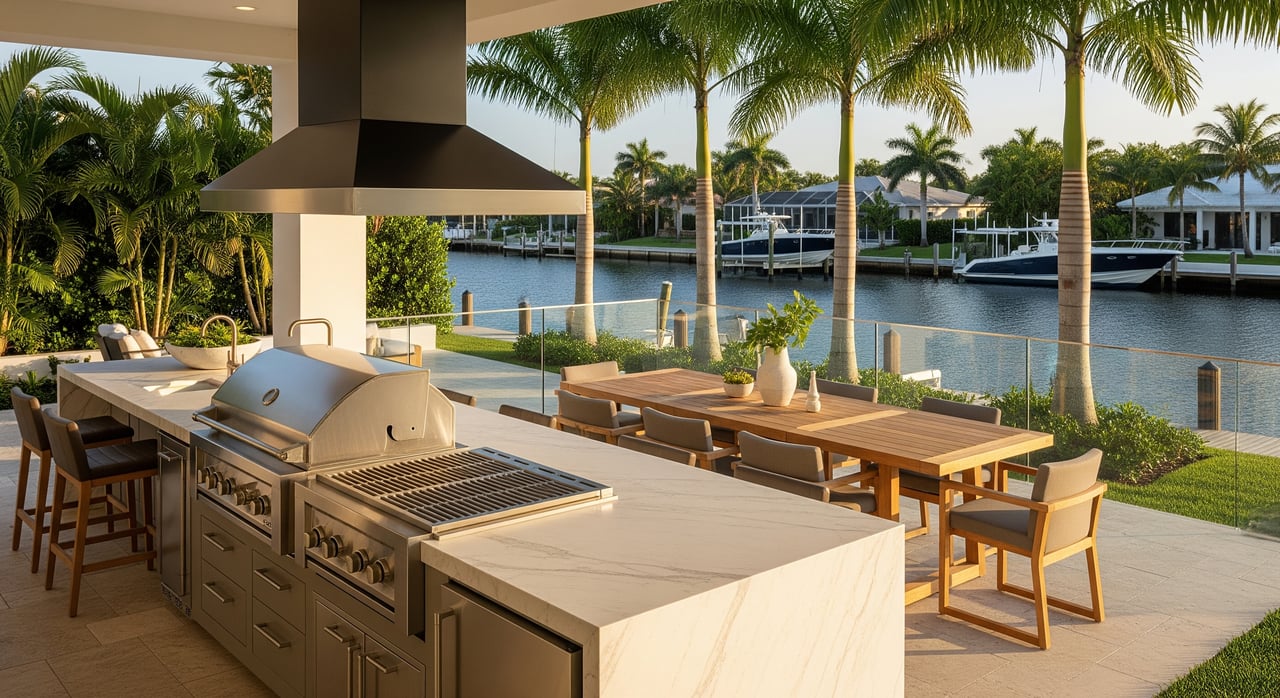
Salt air, sun, and water views make outdoor cooking in Aqualane Shores feel effortless, but the design details are what keep it beautiful and functional year after year. If you are building new, renovating before a sale, or elevating a recent purchase, it pays to plan with coastal conditions and luxury buyer expectations in mind. In this guide, you will learn how to choose resilient materials, right-size your layout, tie it to your pool and dock, and navigate local code and maintenance. Let’s dive in.
What buyers expect
Luxury buyers in Aqualane Shores look for outdoor spaces that showcase the water and support easy entertaining. You will see strong interest in fully equipped kitchens with professional grills, double refrigeration, ice makers, pizza ovens, and organized storage. A covered or shaded setup that protects appliances and guests is a plus.
Indoor and outdoor flow also matters. Buyers favor continuous flooring lines, aligned sightlines to the pool and canal, and lighting that transitions from task to mood. Entertainment features such as outdoor-rated TVs, integrated sound, and practical mosquito control solutions fit the lifestyle.
If boating is part of the picture, small touches near the dock can make the difference. Freshwater rinse stations, power for dock equipment, a tidy fish cleaning area, and sealed trash storage show careful planning. Well-executed outdoor kitchens are commonly expected in this neighborhood and can improve marketability when materials, placement, and permits are handled with care.
Choose the right layout
A great layout blends chef-level function with the realities of a waterfront lot. Aim to preserve views and keep circulation clear between the house, pool, and dock.
Linear or wall layout
- Preserves water views when placed along a wall or under a lanai.
- Efficient for compact spaces, with a built-in grill, sink, prep area, and under-counter refrigeration.
- Works well where width is limited or you want a minimal visual profile.
L-shaped layout
- Creates a natural triangle for cooking, cleaning, and refrigeration.
- Easy to add a pass-through or serving bar facing the pool or canal.
- Helps separate prep from guest seating during parties.
U-shaped or peninsula with bar
- Social, with bar seating that invites conversation while you cook.
- Supports multiple work zones and larger appliances like pizza ovens.
- Often the focal point between indoor living and the pool.
Island or freestanding kitchen
- Orients easily to frame the best view.
- Requires careful routing of gas, electric, and plumbing under pavers or slabs.
- Make sure you maintain clear walk paths to the dock and pool steps.
Dual-zone design
- Separate a hot cooking station from a beverage and service station.
- Keeps heavy grill traffic away from guests who just need ice or a drink.
- Useful for events and homes with frequent hosts.
Integrate with pool and dock
Thoughtful siting can help you supervise the pool, keep appliances shaded, and streamline boat days.
Near the pool
- Place the kitchen close enough for easy service, not in the splash zone.
- Use slip-resistant, drainage-friendly paving to avoid slick spots.
- Face the main work area toward the pool for sightlines and conversation.
- Consider a covered roof or wind-rated pergola to reduce sun load on appliances and guests.
Toward the water
- Align bar seating to face the canal or bay for a signature view.
- Include a freshwater hose station and sealed trash and recycling within easy reach.
- Plan a dedicated fish cleaning area if fishing is part of your routine.
- Position grills and pizza ovens so smoke moves away from seating and neighboring lots, taking prevailing winds off the water into account.
- Keep improvements clear of dock or utility easements and respect seawall setbacks. Verify specifics with Collier County permitting before you build.
Materials that last in salt air
Aqualane Shores brings salt spray, humidity, UV, and seasonal wind. Durable, low-maintenance materials are not a luxury, they are a necessity.
Cabinetry and storage
- Choose marine-grade 316 stainless steel for superior resistance to pitting and corrosion from chlorides. It outperforms 304 in this environment.
- Powder-coated aluminum and HDPE or marine polymer cabinets resist rot and fading. Look for UV-stable coatings.
- Fiberglass or sealed composite cabinetry offers very low maintenance and UV resistance.
- Avoid interior-grade woods or MDF, which swell and invite mold in coastal humidity.
Countertops
- Ultra-compact sintered surfaces such as Dekton or Neolith handle UV, stains, and heat well.
- Natural quartzite and select granites with a quality sealer are proven options.
- Engineered quartz is generally not recommended for full sun exposure due to potential UV discoloration. Always confirm manufacturer guidance.
Flooring and paving
Porcelain pavers with through-body color and a textured finish are durable and easy to maintain.
Textured limestone or travertine with a non-slip finish can work well around water.
Sealed concrete pavers are practical, but plan for salt and efflorescence management.
Appliances and equipment
- Grills: Buyers expect professional sizes and features. Select models with 316 stainless components or coastal packages. Natural gas is preferred when available, and propane is a solid alternative.
- Refrigeration and beverage service: Use outdoor-rated appliances designed for wider temperature ranges and sealed against corrosion. Ice makers and kegerators often need dedicated circuits and drainage.
- Pizza ovens: Wood-fired brings smoke and embers, while gas simplifies venting and cleanup. Confirm clearances to combustibles and locate away from seating based on wind patterns.
- Sinks and plumbing: Marine-grade stainless or brass fixtures, backflow preventers, and proper drainage are key. Add a small water heater if you need hot water at the sink.
- Ventilation and fire safety: If your kitchen sits under a roof or is partially enclosed, plan mechanical ventilation and fire safety measures per code. Provide clearances, fire-resistant finishes, and keep an accessible extinguisher nearby.
- Electronics: Choose outdoor-rated TVs, speakers, and lighting with corrosion-resistant housings. Conceal wiring to protect it from salt and humidity.
Plan for codes and utilities
Permitting and resilience planning reduce risk and protect your investment. In Collier County, most outdoor kitchens with roofs or new utilities will require permits.
Permits and approvals
- Collier County follows the Florida Building Code. Expect permits for plumbing, electrical, gas, and any roofed structures or utility changes.
- Many waterfront parcels sit in FEMA flood zones. Floodplain rules may require elevating appliances, subpanels, and mechanicals above Base Flood Elevation. Confirm your flood zone and review your elevation certificate before installing built-ins at low elevations.
- Docks, seawalls, and structures near the waterline can trigger county and state permits. Keep all work outside recorded easements and respect setbacks.
- Check for HOA or architectural review requirements in Aqualane Shores before finalizing materials or placement.
Gas and electrical
- New lines, meter changes, and high-load appliances often require a licensed professional and permits.
- Provide GFCI protection for all outdoor circuits and perform a load calculation if you add multiple appliances.
- Label shutoffs for gas and electric and keep them easy to access.
Hurricane and wind readiness
- Roofed structures and pergolas must meet wind-load requirements and may need engineer-stamped plans.
- Use mechanically anchored systems, tamper-proof fasteners, and consider wind-rated screens or shutters.
- Plan for removable elements so you can secure or store appliances and furniture ahead of storms.
Maintenance that pays off
Salt environments reward consistent care. A little routine attention extends the life of even the best materials.
- Rinse stainless and metal surfaces with fresh water regularly and apply corrosion inhibitors to fittings.
- Clean and lubricate locks and hinges with silicone-based products.
- Touch up chips in marine-grade powder coatings quickly to prevent corrosion.
- Schedule service for outdoor appliances more often than you would indoors and confirm warranty coverage for coastal installations.
- Keep sensitive equipment and dry storage elevated above potential flood elevations.
Smart cost planning and impact
Costs vary based on appliance grade and count, routing of utilities to islands, specialized materials such as 316 stainless and sintered countertops, and the addition of covered structures that meet wind and flood requirements. Labor for engineered attachments and code-compliant utilities is a meaningful driver as well.
In Aqualane Shores, luxury finishes and integrated systems are part of the neighborhood standard. A well-executed outdoor kitchen that protects appliances from salt and follows local permitting is more likely to be positively perceived by high-end buyers. While every property is unique, aligning design and materials to coastal conditions and code helps your space stand out with confidence.
Bringing it all together
A standout outdoor kitchen in Aqualane Shores puts view corridors first, uses salt-smart materials, and integrates smoothly with your pool and dock. It also respects local codes, elevation requirements, and hurricane readiness. Whether you are refining your home for years of entertaining or preparing to list, planning with these details saves time and preserves value.
If you are weighing design choices with resale in mind or want referrals to trusted local pros, connect with David Rashty for guidance grounded in Naples luxury living. Schedule a private consultation to align your outdoor kitchen vision with your property goals.
FAQs
What materials hold up best for an Aqualane Shores outdoor kitchen?
- Marine-grade 316 stainless steel, powder-coated aluminum, HDPE or marine polymer cabinetry, fiberglass or sealed composites, ultra-compact sintered countertops, and porcelain pavers are top performers in salt air.
Should I choose natural gas or propane for a coastal grill setup?
- Natural gas is preferred for permanent installs if service is available, while propane is a reliable alternative when gas lines are not present. Base your choice on utility access and usage.
Do outdoor refrigerators and ice makers need special ratings?
- Yes. Select outdoor-rated appliances designed for wider temperature ranges and corrosion resistance, and confirm warranty guidance for coastal environments.
How close can I build an outdoor kitchen to my dock or seawall in Collier County?
- It depends on setbacks, recorded easements, and county regulations. Verify requirements with Collier County permitting and review any HOA or private easement rules before you build.
Do I need a permit for an outdoor kitchen in Aqualane Shores?
- Most projects that add gas, electrical, plumbing, a roofed structure, or a changed footprint will require permits. Check Collier County Building and Permitting and your HOA’s review process.
How can I protect my outdoor kitchen during hurricane season?
- Use code-compliant, anchored structures, secure gas and electrical shutoffs, remove or store portable items before storms, and consider wind-rated screens or shutters. Keep documentation for insurance.